2642 Liruma Rd #1, Mississauga, ON L5K 1Z1, Canada
Welcome to Liruma Rehabilitation Centre
-
Call for help: 905-823-6256
-

Best Rehab and Physiotheraphy Clinic in Mississauga. Offering best and expert physiotherapy, chiropractic, massage therapy in Mississauga.
Welcome to Liruma Rehabilitation Centre
Call for help: 905-823-6256
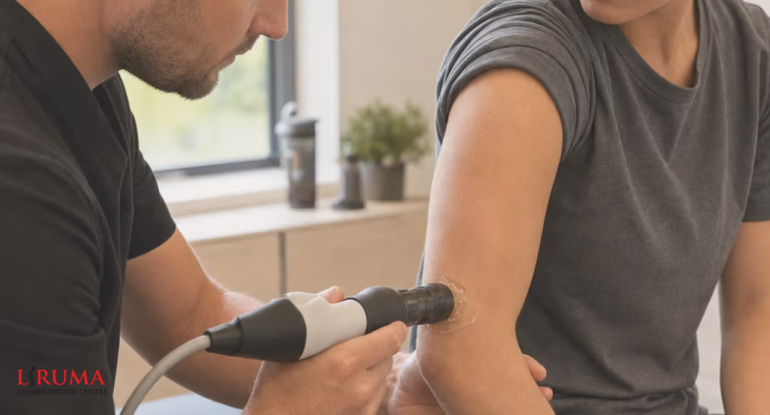
You have probably heard the word shockwave and thought of something loud and scary right away. But shockwave therapy is not like that at all, despite what the name might suggest to you. This treatment uses sound waves to wake up your body’s own healing power from the inside out. It is a non-invasive way to deal with stubborn tendon and muscle problems that just will not heal. Many people come to us after trying rest, ice, and pills with no real luck at all. At Liruma Rehabilitation Centre, we use shockwave therapy for those tough, lasting issues that hang around for months. Let us walk through what this treatment involves and whether it might be the answer you need. Understanding how it works can help you decide if it fits your situation.
The sound waves used in this treatment go deep into your tissue and create a gentle stir inside. This stirring wakes up your cells and gets them moving again after being stuck for too long. The waves also break up old scar tissue and calcium deposits that can form in sore spots. This helps your body grow new blood vessels, which brings fresh healing to the area needing help. The process also blocks pain signals from reaching your brain, giving you quick relief from the ache. Over time, the tissue becomes stronger and more flexible than it was before treatment started. Most people need three to five sessions spaced about a week apart from each other for best results. Each session takes only five to ten minutes, so it fits easily into a busy day for you.
Shockwave therapy shines brightest for tendon problems that have been around for weeks or months now. Tennis elbow, that pain on the outside of your arm, is one of the most common reasons people try this. Golfer’s elbow on the inside of your arm responds just as well to these sound waves too. Plantar fasciitis, that nasty heel pain that hits you first thing in the morning, is another big win. Shoulder pain from calcific tendinitis, where tiny calcium bits form in the tendon, often clears up nicely. Achilles tendinitis, which affects the big cord at the back of your ankle, also gets better with this care. Even some cases of shin splints and jumpers knee have shown good results with shockwave therapy over time. If you have a tendon issue that has not healed after six weeks, this is worth trying.
Let us be honest with you, shockwave therapy is not completely painless like some other treatments out there. You will feel a tapping or pulsing sensation that can be a bit intense on sore spots. The good news is that each session lasts only five to ten minutes at the very most. Your therapist will start with a lower power and turn it up as you get used to the feeling. They will also move the wand around so no single spot gets too much at one time. Most people say the treatment feels weird but not unbearable in any real way at all. The sore spot often feels much looser and better right after the session ends for them. Any discomfort fades within a few minutes of the wand stopping its work on you. And the relief you get is well worth the short bit of weirdness during the treatment.
Shockwave therapy is not a one-and-done kind of treatment for most people who try it out. A typical course involves three to five sessions spaced about one week apart from each other. Some people with mild issues feel better after just one or two visits to our clinic. Others with more stubborn problems might need up to six sessions to get full relief from pain. Your therapist will check in with you before each session to see how you are doing. They will adjust the power and the number of sessions based on your feedback and progress. Most people start to feel real improvement after the second or third session of treatment. The effects also keep building even after your last session is done and over with. Your body continues to heal and grow new tissue for weeks after treatment ends completely.
Shockwave therapy is very safe, but there are some situations where we need to say no to it. You should not get this treatment if you are pregnant or think you might be pregnant right now. People with blood clotting disorders or who take blood thinners need to be very careful. Anyone with a tumor or cancer in the area we want to treat should avoid shockwave therapy. If you have an infection, a wound, or a fracture in the treatment area, let that heal first. People with pacemakers or other electronic implants should not get shockwave therapy near those devices. The treatment is also not used over the lungs, the skull, or the major nerves in your body. Your therapist will ask you about all of these things before your first session starts. The good news is that for most people with tendon pain, none of these issues apply to them.
If you like to see the proof before you try something new, the research on shockwave is solid. Many studies show that shockwave therapy works better than placebo for tennis elbow and plantar fasciitis. One large review found that about eight out of ten people with tennis elbow got better with shockwave. For calcific tendinitis in the shoulder, the success rate is also very high, around seven or eight out of ten. The research shows that the effects last for at least a year after treatment ends for most people. Some studies have followed people for two years and found they were still doing well. The key is getting the right dose and the right number of sessions for your problem. When done correctly by a trained professional, shockwave therapy has a strong track record of helping people heal. It is not a magic cure, but for many, it is the answer they have been looking for.
If you have a tendon problem that has been hanging on for weeks or months, come see us today. At Liruma Rehabilitation Centre, we start with a full assessment to make sure shockwave is right for you. We listen to your story, check how you move, and find the exact spot that needs help. If shockwave therapy makes sense for your problem, we will explain why and map out a clear plan. We will also tell you what to expect, including the fact that it might feel a bit weird. Most people find that the short bit of discomfort is well worth the long-term relief they get. You have been dealing with this pain for too long, and you deserve to try something that works. Come see us, and let us find out if shockwave therapy is the key that finally unlocks your healing journey.
