2642 Liruma Rd #1, Mississauga, ON L5K 1Z1, Canada
Welcome to Liruma Rehabilitation Centre
-
Call for help: 905-823-6256
-

Best Rehab and Physiotheraphy Clinic in Mississauga. Offering best and expert physiotherapy, chiropractic, massage therapy in Mississauga.
Welcome to Liruma Rehabilitation Centre
Call for help: 905-823-6256
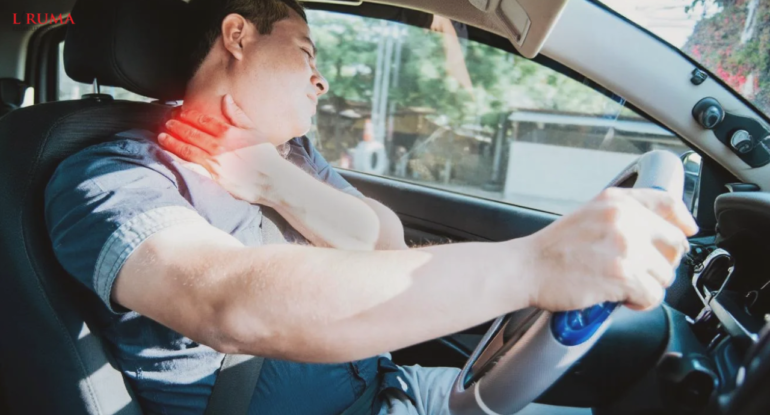
Getting into a car accident can turn your whole world upside down in just a few seconds. One moment you are driving along thinking about your day, and the next your body gets thrown around. The shock of the moment stays with you, and the soreness often creeps in when you least expect it. Even those little fender benders where nobody looks hurt at first can leave real damage behind. Your muscles, your joints, and your spine all take a hit from the force of the crash. At Liruma Rehabilitation Centre, we have sat with hundreds of people who walked in after crashes feeling lost and hurting. Let us walk through what MVA physiotherapy looks like and how it can help you find your way back.
MVA stands for motor vehicle accident, and this type of care is built around the unique needs of crash victims. Car accidents put your body through forces that it simply cannot handle well on its own. Your head may whip back and forth in a split second, straining the soft tissues of your neck badly. Your back may twist in ways that pinch nerves and irritate spinal joints around your spine. The impact can leave tiny tears in muscles and ligaments that add up to big pain over time. MVA physiotherapy looks at all these possible injuries together as one big picture. The therapist does not just treat one spot, they look at how your whole body was affected. This big-picture view is key to helping you heal fully and avoid long-term problems.
Car accidents can cause a wide range of injuries, from mild aches to severe pain that stops you in your tracks. Whiplash is the most well-known issue, and it happens when your head snaps forward and back with force. This strains the muscles and bands in your neck, leaving you stiff and sore for days on end. Your back often takes a beating too, especially the lower part that absorbs so much of the jolt. Sometimes the soft discs between your spine bones get pushed out of place, and that pain can shoot right down your leg. People grip the wheel so tight when fear hits, and their shoulders pay for it later with deep aches. Headaches show up right after for some folks and just refuse to leave no matter what they try. Numbness or that pins and needles feeling can creep into your arms or legs, which is always scary to feel.
Here is a trap that catches so many people after a crash, and we want you to avoid it. You walk away feeling okay, maybe a little shook up, but nothing really hurts yet. So you think, well, I must be fine, and you go home and try to forget about it. But your body pumped you full of adrenaline during those scary moments, and that stuff hides pain well. Hours later, sometimes even a full day or two, the soreness starts rolling in like a slow tide. By then, some of the damage has already started settling into bad patterns that are hard to undo. Waiting too long gives small little issues the chance to grow into big stubborn problems. Getting help early on helps your body heal the right way from the very start. The team at Liruma Rehabilitation Centre always says come in for a quick check even if you feel fine.
No two car accidents are the same, so no two recovery plans should be the same either for any two people. Your treatment will be built around your specific injuries, your pain level, and what you need to get back to. Early on, the focus is on easing pain and calming down the swelling in your hurt tissues. Your therapist may use ice, gentle hands-on work, or other methods to help you feel better fast. As you heal, the plan shifts to restoring your normal movement without pain getting in the way. You will learn gentle stretches to loosen tight spots and exercises to wake up weak muscles. The goal is to get you moving the way you did before the crash ever happened. Later, the focus turns to building strength and stamina so you can handle your daily life. Your plan changes as you heal, always moving toward your full recovery.
Pain after a car accident can be so frustrating and hard to deal with from day to day. Some mornings you wake up and think, hey, I am finally turning a corner here for good. Then the next day hits and the pain flares up out of nowhere for no clear reason. This up and down pattern is totally normal, but man, it can wear you down after a while. Your therapist will teach you little tricks to help manage the pain between your visits with us. Simple stuff like knowing when to throw some ice on a spot or when heat is better makes a real difference. Learning to read your body and pace yourself on the good days helps you avoid crashing later. Your therapist can also show you gentle ways to move that do not stir up more pain. Over time, the good days start showing up more often and the bad ones start to fade away slowly.
At the end of the day, all this work points toward one simple goal, getting you back to living your real life. You want to drive without that knot of fear in your stomach and pain in your neck when you turn. You want to sleep all night without waking up stiff and sore when you roll over in bed. Also you want to play with your kids, go for walks, pick up groceries without dreading how you will feel after. These are the things we talk about from that very first visit, because they matter more than any number on a scale. Healing takes whatever time it takes, and nobody moves at the exact same speed as anybody else. Some folks feel better in a few weeks, while others need a few months to really get there. What counts is that you are moving forward and not letting the pain trap you in place. With the right help and your own commitment to showing up for yourself, you can get back to the life you had before the crash.
