2642 Liruma Rd #1, Mississauga, ON L5K 1Z1, Canada
Welcome to Liruma Rehabilitation Centre
-
Call for help: 905-823-6256
-

Best Rehab and Physiotheraphy Clinic in Mississauga. Offering best and expert physiotherapy, chiropractic, massage therapy in Mississauga.
Welcome to Liruma Rehabilitation Centre
Call for help: 905-823-6256
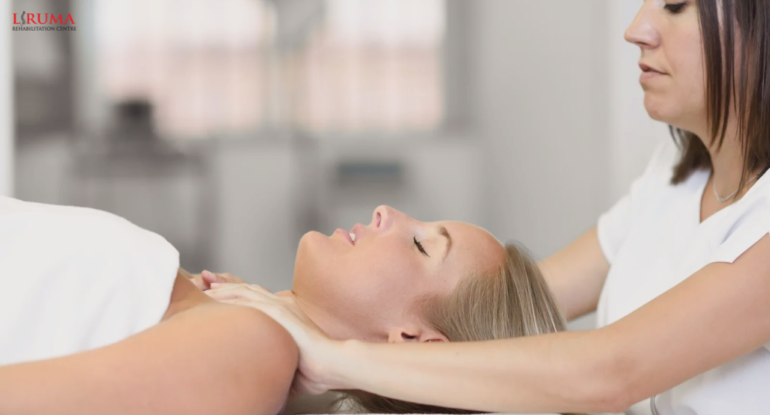
You have probably heard people rave about getting a massage after a long week at work. But massage is not just a treat for tired muscles or a way to unwind. It is a real form of therapy that can help with many kinds of pain and tightness. At Liruma Rehabilitation Centre, we use massage therapy as part of our care for many different people. Let us walk through what this treatment involves and how it might help you feel better.
Massage therapy is more than just rubbing sore spots until they feel a little better. Your therapist uses their hands to work on the soft tissues of your body in specific ways. These tissues include your muscles, the bands that connect them, and the wrap around them. The pressure and movement help blood flow to areas that have been starved of fresh oxygen. This brings in healing nutrients and carries away waste products that cause soreness. Massage also helps relax muscles that have been tight and guarded for far too long. It can break up knots and stuck spots that limit your movement and cause pain. Over time, regular massage can help your whole body feel looser and more at ease.
Pain often makes your muscles tighten up without you even realizing what is happening. This tightness cuts off blood flow and makes the pain even worse than before. Massage breaks this cycle by getting the muscles to let go and relax fully. The pressure also stimulates nerves in your skin and muscles that send signals to your brain. These signals can override pain signals and give you a break from the ache. Massage also triggers your body to release endorphins, which are natural pain killers. These are the same chemicals that give you a good feeling after a hard workout. So massage helps with pain in two ways, by working on the muscles and by changing brain signals. This is why many people feel better for hours or even days after a good session.
If you have never had a massage before, you might wonder what actually happens on the table. You will lie on a padded table in a warm, quiet room with soft lighting around you. Your therapist will leave the room while you undress to your comfort level and get under a sheet. They will only uncover the part of your body they are working on at that moment. This keeps you warm and private throughout the whole session from start to finish. The therapist will use oil or lotion so their hands glide smoothly over your skin without pulling. They will check in with you about the pressure, asking if it is too light or too deep. You should never feel sharp pain during a massage, just a good hurt that feels useful. Many people find the experience so relaxing that they drift off to sleep on the table.
Massage therapy can help with a wide range of issues, from sudden injuries to long-term aches. It is great for neck pain and shoulder tightness from sitting at a desk all day long. Lower back pain from muscle strain or poor posture often responds very well to regular massage. People with tension headaches that start in their neck and shoulders find real relief here. Massage also helps with sports injuries like pulled hamstrings or sore calf muscles after running. It can ease the stiffness of arthritis by keeping the muscles around sore joints loose. Even issues like carpal tunnel syndrome and plantar fasciitis can improve with the right work. If you carry stress in your body, massage gives those tight spots a chance to finally let go.
If you are thinking about trying massage therapy, there are a few simple things to keep in mind. Wear loose, comfortable clothes to your appointment so you can change easily if needed. Eat a light meal a couple hours before, but do not show up full or starving at all. Drink some water before your session and keep drinking after to help flush out waste. Tell your therapist about any injuries, surgeries, or health conditions you have right now. Let them know if you are pregnant, as some positions and techniques need to be changed. Speak up during the massage if the pressure feels too strong or not strong enough for you. You are in control of your session, and your therapist wants you to feel safe and comfortable. After your massage, take it easy and avoid jumping straight back into hard work or exercise.
Massage therapy is safe for most people, but there are some situations where we need to be careful. If you have blood clots or a history of them, massage could loosen a clot and cause serious trouble. People with severe osteoporosis, where bones are very weak and brittle, need very gentle work only. If you have a fever or an active infection, wait until you are fully better before getting a massage. Massage over areas with open wounds, burns, or skin rashes should be avoided until they heal up. People taking blood thinners may bruise more easily, so lighter pressure is the right choice. If you have cancer, talk to your oncologist before starting massage therapy of any kind. The good news is that for most people with common aches and pains, massage is very safe. Your therapist will ask about your health history and make sure the plan fits your needs.
One massage can feel great, but regular sessions are what create lasting change in your body. Think of massage like exercise or eating well, it works best when you do it often over time. Your therapist will help you figure out a schedule that fits your pain level and your budget. Some people come once a week when their pain is high and flare ups are common. Others find that once every two or three weeks is enough to keep their body feeling good. As you get better, you may be able to spread out your visits over longer periods of time. Many people keep getting occasional massages even after their pain is gone for good. This helps catch small problems before they turn into big ones later on down the road. At Liruma Rehabilitation Centre, we will work with you to find the right rhythm for your body and your life.
