2642 Liruma Rd #1, Mississauga, ON L5K 1Z1, Canada
Welcome to Liruma Rehabilitation Centre
-
Call for help: 905-823-6256
-

Best Rehab and Physiotheraphy Clinic in Mississauga. Offering best and expert physiotherapy, chiropractic, massage therapy in Mississauga.
Welcome to Liruma Rehabilitation Centre
Call for help: 905-823-6256
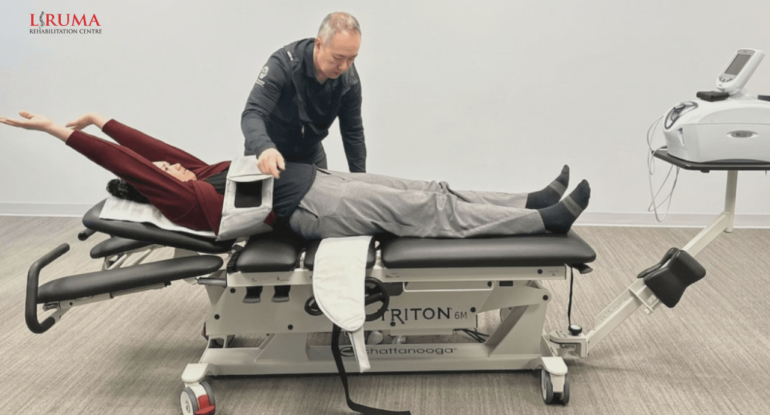
You have probably been dealing with that nagging back pain for way too long now. Maybe you have tried rest, ice, heat, and even some pills that did not do much at all. Now you are starting to wonder if surgery is your only option left on the table. But wait, have you heard about spinal decompression yet? It is a gentler approach that does not involve any cutting or long hospital stays. At Liruma Rehabilitation Centre, we have seen this treatment change lives without the need for surgery. Let us take a close look at both paths so you can decide what feels right for you.
Going under the knife for your back is a really big deal that you should not take lightly at all. The surgeon will cut through your skin and move muscles aside to get to your spine. They might shave off part of a bulging disc or remove bone spurs that are pinching your nerves. Sometimes they even put metal rods and screws in to hold your spine steady forever. You will be completely asleep during the whole thing, which is good because it takes hours to finish. Afterward, you will stay in the hospital for at least a night or maybe even longer. Then comes the hard part, weeks of recovery where you cannot bend or lift anything heavy. There is always a risk of infection, bleeding, or nerve damage with any surgery. But for some people with really severe problems, surgery is truly the best way to go.
Now let us talk about spinal decompression, which is a completely different approach to healing your back. You simply lie down on a special table that gently pulls on your spine in a controlled way. This creates more space between your bones and takes pressure off those angry nerves. The whole thing feels like a nice, relaxing stretch rather than anything scary or painful. Each session lasts about twenty to thirty minutes, and you stay awake the entire time. When it is over, you just get up and go about your regular day with no downtime at all. There are no stitches, no scars, and no risk of infections like you get with surgery. The most common side effect is just a little soreness, kind of like after a good workout. Most people need about fifteen to twenty sessions to get the full benefit from spinal decompression. It works really well for bulging discs, sciatica, and general wear and tear on your spine.
Surgery is usually saved for the most serious cases where nothing else has helped at all. If a disc is pressing so hard on your spinal cord that you are losing control of your bowels, surgery is urgent. People with fractures in their spine or bones that are slipping out of place often need surgery to fix it. If you have tried physiotherapy, spinal decompression, and other treatments without any luck, surgery might be next. Your age and health matter a lot when deciding if surgery is safe for you to go through. Younger and healthier people tend to bounce back faster and have fewer problems after surgery. But even then, recovery can take weeks or months before you feel like yourself again.
The decision to have surgery should involve talking with both a surgeon and a specialist who knows your history. It is not a choice to rush into, but for some folks, it really is the right call.
Spinal decompression is a great option for people who want to avoid surgery if they possibly can. If you have a bulging or herniated disc that sends pain shooting down your leg, this can help a lot. People with sciatica, which is that sharp pain from your lower back to your foot, often find relief here. Degenerative disc disease, where your discs wear down as you get older, also responds well to this care. If you have tried resting and taking pills but your pain is still sticking around, decompression is worth a shot.
It works best for people who are generally healthy and have not had spine surgery before in their life. It cannot fix fractures, tumors, or severe instability where bones are shifting out of place. Many people try spinal decompression because they want to exhaust every option before considering surgery. A lot of them end up getting the relief they needed without ever going under the knife at all.
Money is a real factor when choosing between these two treatment paths for your back pain. Back surgery is expensive, with costs running into the tens of thousands of dollars or even more. You have to pay for the surgeon, the hospital stay, the anesthesia, and all the follow-up care visits. Even with good insurance, your out-of-pocket costs can still be a heavy burden to carry. There is also the lost income from missing weeks or months of work while you recover from the procedure.
Spinal decompression is much more affordable, with each session costing a fraction of what surgery would. Most people need between fifteen and twenty sessions, which adds up but still costs far less than surgery. Many insurance plans cover at least part of the cost, making it even more accessible for patients. When you add in the fact that you keep working during treatment, the financial picture looks even better. For many people, the lower cost and less time off work make decompression the smarter choice.
If you are stuck at this crossroads and do not know which way to turn, we invite you to come see us. At Liruma Rehabilitation Centre, we have helped many people figure out whether spinal decompression or surgery is right for them. We will listen to your story, check your spine, and give you honest advice about what might work best. You will not be pushed into anything or pressured to make a quick decision about your future. We believe in giving you all the facts so you can choose with your eyes wide open. Many people find that spinal decompression gives them the relief they need without the risks of surgery. Others find that surgery is truly their best path, and we support them through that process too. No matter which way you go, you do not have to navigate this alone. Reach out today, and let us help you find your way back to a life without back pain.
