2642 Liruma Rd #1, Mississauga, ON L5K 1Z1, Canada
Welcome to Liruma Rehabilitation Centre
-
Call for help: 905-823-6256
-

Best Rehab and Physiotheraphy Clinic in Mississauga. Offering best and expert physiotherapy, chiropractic, massage therapy in Mississauga.
Welcome to Liruma Rehabilitation Centre
Call for help: 905-823-6256
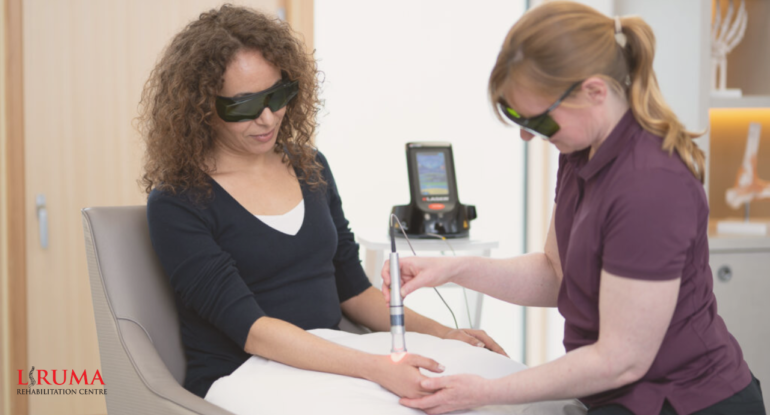
You have probably heard about lasers being used for surgery or hair removal in clinics. But laser therapy is completely different from those things you might have heard about. It uses a gentle beam of light to help your body heal from the inside out. The light goes through your skin and reaches the sore tissues underneath without any cutting at all. At Liruma Rehabilitation Centre, we use this tool to help people who are stuck in pain. It is not a magic wand that works for everyone, but for many folks, it gives their body the push it needs. Let us walk through what this treatment involves and whether it might help you feel better.
You might wonder how a beam of light can do anything for deep muscle pain you are feeling. The answer lies in what that light does to your cells once it passes through your skin. Your body’s cells have tiny parts inside them called mitochondria, which act like little batteries. These mitochondria take in the light energy and use it to make more fuel for themselves. This fuel is what your cells burn to do all their jobs, including fixing damage. More fuel means your cells can work faster and harder to repair what is sore and broken. The light also helps dial down swelling, which is often the real source of your pain every day. At the same time, it boosts blood flow to the area, bringing in fresh oxygen and nutrients. All of this happens without you feeling anything more than a gentle warmth on your skin.
If you are imagining something intense or scary, you can let that worry go right now completely. You will sit or lie down in a comfortable position while your therapist gets the device ready for you. They will put on a pair of safety glasses, and they might give you a pair to wear too. Then they place the laser probe right against your skin over the spot that hurts the most. You might feel a gentle warmth, or you might feel nothing at all, it varies from person to person. Some people describe it as a mild, pleasant heat spreading through the area being treated. You will not feel any pain, any pinching, or any weird electrical sensations at any point. A typical session lasts anywhere from five to twenty minutes depending on the area being worked on. When it is done, you get up and go about your day with no downtime needed at all.
Laser therapy is not usually a one-and-done kind of treatment, though some people feel better right away. For most folks, the real benefits show up after a series of sessions over a few weeks. Acute problems that just showed up might need only three to six sessions to feel much better. Chronic issues that have been hanging around for months often need ten to fifteen sessions to get real change. The effects are cumulative, meaning each session builds on the last one as your cells slowly wake up. You might come in two or three times per week at the start of your treatment plan. As you improve, the visits get spread out more, maybe once per week or every other week. Sticking with the full course is important because stopping too soon can leave you back where you started. Your therapist will help you figure out the right schedule for your specific needs.
Laser therapy is very safe, but there are a few situations where we need to be careful or say no. You should not get laser treatment directly over your eyes or over any area where cancer is present. Pregnant women should avoid getting laser over their belly, though other areas are usually fine. If you have a pacemaker or other implanted device, we need to check with your doctor first. Some people take blood thinners, but that is not usually a problem since the laser does not break skin. People with epilepsy need to be careful with certain types of light, though medical lasers are generally safe. If you have a bleeding disorder or a fever, we will likely wait until those issues are resolved first. The good news is that side effects are extremely rare and mild when they do happen at all. Some people feel a little tired or have a mild ache in the treated area for a day or so.
One of the best things about laser therapy is that it plays nicely with almost every other type of treatment. You do not have to choose between laser and something else, you can do both at the same time. At Liruma Rehabilitation Centre, we often use laser therapy alongside physiotherapy to get faster results. The laser helps calm down pain and swelling so you can do your exercises with less discomfort. It also helps your tissues heal between your hands-on therapy sessions with your therapist. Some people get laser and chiropractic adjustments on the same day, which can work very well together. The laser loosens up tight tissues so the adjustment goes more smoothly and holds longer. You can also keep taking your regular pain medicines while doing laser therapy sessions. Think of laser as a booster that makes all your other treatments work a little bit better for you.
If you have been dealing with pain that will not go away, laser therapy might be your answer today. At Liruma Rehabilitation Centre, we start every new patient with a full assessment to find the root cause. We listen to your story, watch how you move, and figure out what you need most right now. If laser therapy makes sense for your specific problem, we will explain why and map out a plan. You will not be pushed into a long package before you even know if it works for you. Many people tell us that laser therapy gave them relief when nothing else seemed to help at all. It might not work for everyone, but it works for enough people to be worth a try. You have been hurting long enough, and you deserve to find out if this gentle light can help you heal. Come see us, and let us find out together if laser therapy is the right path for your recovery.
