2642 Liruma Rd #1, Mississauga, ON L5K 1Z1, Canada
Welcome to Liruma Rehabilitation Centre
-
Call for help: 905-823-6256
-

Best Rehab and Physiotheraphy Clinic in Mississauga. Offering best and expert physiotherapy, chiropractic, massage therapy in Mississauga.
Welcome to Liruma Rehabilitation Centre
Call for help: 905-823-6256
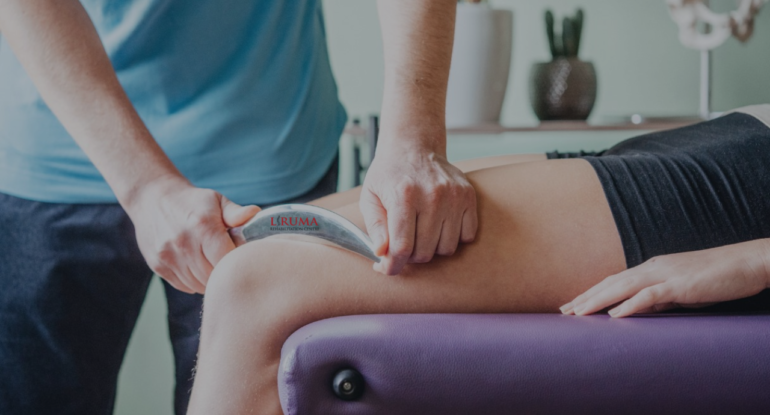
You may have heard about a treatment that uses metal tools to work out muscle knots. It sounds a bit strange at first, but the Graston Technique is actually a smart way to help your body heal. At Liruma Rehabilitation Centre, we use this method to help people move better and hurt less. The technique uses special stainless steel instruments to find and fix soft tissue problems. Think of these tools as an extension of the therapist’s hands. They allow us to feel what is going on beneath the skin in a much deeper way. This hands-on approach helps us target the exact spots where you need help the most. Let us walk you through what this care is all about and how it might help you.
The Graston Technique has an interesting story behind it. An amateur water skier hurt his knee and was not happy with how he healed after surgery and regular therapy. Using his skills in machining, he worked with health experts to create special tools for soft tissue work. This led to a patented method that hit the market back in 1994. The idea itself is much older, though. It is based on principles that go back centuries to ancient healing practices. In traditional Chinese medicine, tools like ceramic spoons were used to help muscles heal. The Greeks and Romans also used small metal instruments in their bathhouses for similar reasons. Today’s Graston Technique builds on that old wisdom with modern design and research.
Let’s break down what happens when you get this treatment. Your therapist moves the stainless steel tools over your skin in specific ways. First, they use the tools to scan the area and find trouble spots. The instruments act like a stethoscope for scar tissue. When the tool hits a knot or band of tight tissue, both you and the therapist feel a catch or rough spot. After finding these areas, the therapist uses the tools to break up the restrictions. This process creates a controlled microtrauma in the tissue. That might sound scary, but it is actually a good thing. This small, controlled injury wakes up your body’s healing response. It tells your body to send blood and nutrients to fix the area. The goal is to replace old, stuck scar tissue with fresh, healthy tissue that moves the way it should.
You might wonder if this technique is backed by solid proof. The research on the Graston Technique has grown over the years, and the picture is getting clearer. Studies show that this method can help with pain and movement in the short term. One review from 2024 found that instrument-assisted soft tissue work can increase how far your joints can move, especially if you had tightness to begin with. Another review from 2025 concluded that this technique can reduce pain with moderate certainty. For function, the evidence is a bit lower, but still points to real benefits. Animal studies have shown that this type of treatment boosts the cells that make collagen, which is the building block of healthy tissue. It also helps line up collagen fibers in a way that makes tissue stronger. While animal studies do not always translate directly to humans, they give us clues about why people often feel better after treatment.
The Graston Technique works well for a wide range of soft tissue issues. It is great for tendinitis, like tennis elbow or Achilles tendon problems. Plantar fasciitis, that nasty heel pain many runners get, often responds very well to this method. People with carpal tunnel syndrome can find relief when the tools are used on the right spots. IT band syndrome, which causes pain on the outer knee, is another common reason people seek this care. The technique also helps with neck and back pain caused by tight muscles and fascia. Even after surgery, the Graston Technique can help break up scar tissue that limits movement. If you have a old injury that never quite healed right, this method might be the key to finally feeling better.
Let us be real about what you can expect from this therapy. On the plus side, the Graston Technique is non-invasive and drug-free. Many people feel better after just a few sessions. It can cut down your recovery time compared to doing nothing or just resting. The tools let us treat deeper than hands alone can reach. Blood flow to the treated area goes up, which speeds healing. Most people need about six to ten sessions for full results. On the flip side, you will likely have some marks on your skin after treatment. Redness is normal and expected. Some people get small red dots called petechiae, which just means we need to ease up on the pressure a bit. You might feel sore the next day, kind of like after a hard workout. Serious side effects are very rare, but bruising can happen. People with bleeding disorders, open wounds, or blood clots should not get this treatment. Always tell your therapist about your full health history before starting.
The Graston Technique works best when it is part of a bigger plan for your health. At Liruma Rehabilitation Centre, we often pair it with other services to give you the best results. For example, using the Graston Technique to loosen up tight calf muscles can make your physiotherapy exercises more effective. If you are also getting chiropractic adjustments, soft tissue work can help those adjustments hold longer. The technique opens a window of better movement, and then we fill that window with the right exercises to build strength. This team approach means you are not just getting a quick fix. You are building a body that can stay healthy and pain-free long after your last visit. Our team talks to each other about your care so everything works together smoothly.
So, should you give this treatment a try? If you have a soft tissue injury that has been hanging on for weeks or months, it is worth looking into. People with chronic pain from old injuries often find new hope with this method. If you have tried resting and stretching but still feel stuck, the Graston Technique might be the missing piece. Athletes who need to get back to their sport quickly often choose this route. However, if you are in the first few days of a fresh injury, it is best to let the acute phase pass first. The smartest move is to come in for a chat with one of our therapists. We will listen to your story, check your movement, and help you decide if this path fits your goals. At Liruma Rehabilitation Centre, we are here to help you find the way back to moving well and living fully. You do not have to keep dealing with that old pain alone.
